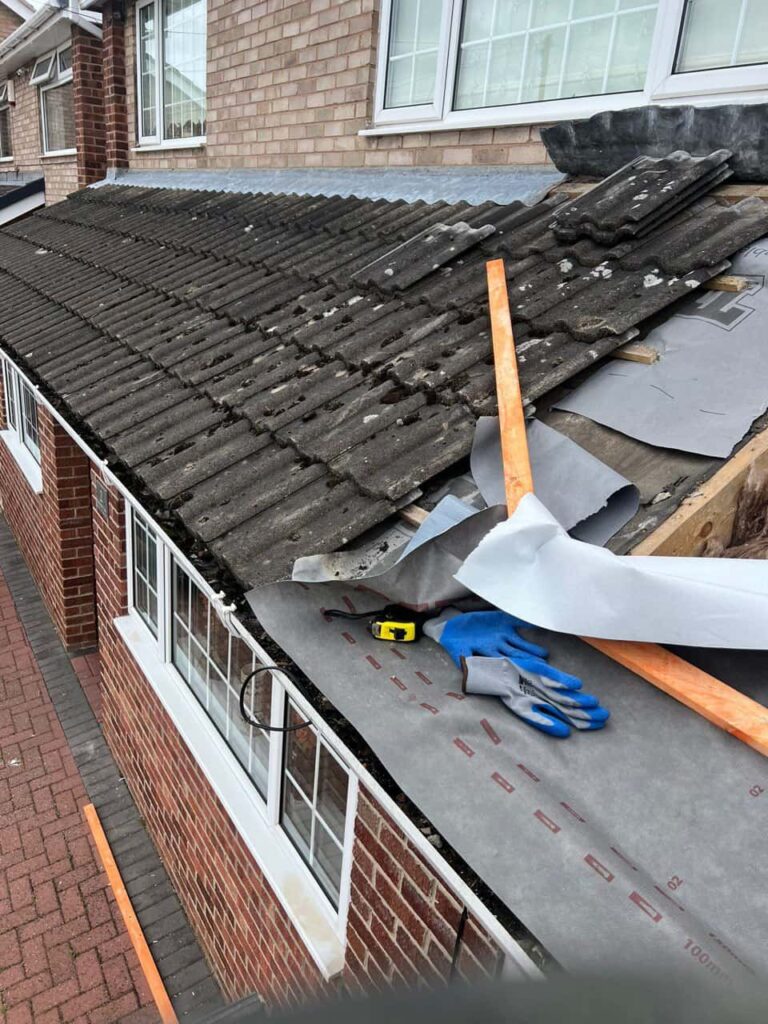
Natural slate roofs are valued for their distinctive appearance, durability and ability to complement a wide range of property styles. When properly installed and maintained, slate tiles can provide reliable protection for many years. However, like all roofing materials, they can develop problems through weather exposure, ageing and general wear.
Understanding the common issues affecting natural slate roofs can help property owners recognise early warning signs and arrange repairs before minor defects lead to water ingress. For homeowners in Furze Platt, Berkshire, regular roof maintenance is an important part of protecting the building and preserving the condition of a slate roof.
Why Natural Slate Roofs Need Regular Maintenance
Although natural slate is a durable roofing material, the overall performance of a roof depends on more than the quality of the tiles. Fixings, battens, flashing and roof junctions all contribute to keeping the structure weatherproof.
Over time, exposure to wind, rain, frost and changing temperatures can affect individual components. Strong winds may dislodge loose slates, while ageing fixings can weaken and allow tiles to slip out of position. Problems around chimneys, valleys and roof edges can also create opportunities for water to enter.
Regular inspections help identify these issues at an early stage and make it easier to determine whether repairs are needed.
Common Problems Affecting Natural Slate Roofs
Recognising the signs of deterioration is essential for maintaining a reliable slate roof. Some defects are visible from outside the property, while others may only become apparent through signs of dampness indoors.
Cracked or Broken Slate Tiles
Individual slate tiles can crack or break following impact from falling branches, debris or severe weather. Natural variations in slate quality can also mean that some tiles deteriorate sooner than others.
A damaged slate may expose the underlying roof covering, allowing rainwater to penetrate. Replacing affected tiles promptly helps maintain the roof’s protective layer and prevents surrounding areas from becoming vulnerable.
Slipped or Missing Slates
Slate tiles are secured using fixings that can weaken or corrode over time. When a fixing fails, a slate may gradually slip down the roof slope or fall away completely.
Missing or displaced tiles leave gaps that can allow water and wind-driven rain beneath the roof covering. These defects should be addressed quickly, particularly where several neighbouring slates appear loose.
Deteriorating Roof Fixings and Battens
The condition of the supporting components is just as important as the slate itself. Nails can corrode, while timber battens may deteriorate through prolonged exposure to moisture.
If the fixings or battens are no longer providing adequate support, individual slates may become unstable. A professional inspection can establish whether the problem is limited to a small section or indicates more widespread deterioration beneath the tiles.
Damaged Lead Flashing
Roof junctions around chimneys, valleys and adjoining structures require effective weatherproofing. Lead flashing is commonly used to protect these areas, directing rainwater away from vulnerable connections.
Cracked, lifted or poorly secured flashing can allow water to enter even when the slate tiles remain in good condition. Any signs of dampness near these junctions should be investigated carefully.
Moss and Organic Growth
Moss can develop on natural slate roofs, particularly in areas that receive limited sunlight or remain damp for extended periods. Heavy growth may retain moisture and collect debris around roof details and drainage channels.
Moss should be managed carefully rather than removed using aggressive methods. Pressure washing or harsh cleaning can damage slate surfaces, disturb fixings and create additional problems.
Important Considerations When Repairing a Slate Roof
Repairing a natural slate roof requires an understanding of how the tiles and supporting components work together. Simply replacing a visibly damaged slate may not resolve the underlying cause if surrounding fixings or battens have also deteriorated.
When carrying out repairs, it is important to consider:
- Matching replacement slates: Selecting suitable slate helps maintain the roof’s appearance and ensures the replacement is appropriate for the existing covering.
- Checking surrounding tiles: Nearby slates should be assessed for cracks, movement or weakened fixings.
- Inspecting supporting materials: Battens and fixings may need attention if there are signs of repeated tile movement.
- Reviewing roof junctions: Flashing, valleys and ridge details should be checked for defects that could contribute to water ingress.
- Using suitable repair methods: Natural slate can be brittle, so careful handling helps avoid unnecessary damage during maintenance.
A thorough assessment helps ensure that repairs address the actual source of the problem rather than just its visible symptoms.
When to Arrange Professional Slate Roof Repairs
Some warning signs should not be ignored. Missing tiles, recurring leaks, damp patches in loft spaces and visible damage around roof junctions can all indicate that professional attention is needed.
It is also sensible to arrange an inspection if a roof has not been checked for an extended period or if several slates appear to be slipping. A roofing specialist can assess the overall condition of the covering and identify whether localised repairs or more extensive work may be appropriate.
LS Roofing Furze Platt provides roofing repair services in Furze Platt, Berkshire. Whether you have noticed damaged slate tiles, loose fixings or signs of water ingress, professional assessment can help determine the most suitable way to restore your roof’s protection.
Conclusion
Natural slate roofs are durable, but their long-term performance depends on the condition of the tiles, fixings, battens and surrounding roof details. Cracked slates, missing tiles, deteriorating fixings, damaged flashing and excessive moss growth are common issues that should be monitored.
Addressing defects early can help prevent further deterioration and maintain the roof’s weather resistance. If you have concerns about your natural slate roof, contact LS Roofing Furze Platt to discuss suitable repair and maintenance options for your property in Furze Platt.
Call us on: 01628 562 691
Click here to find out more about LS Roofing Furze Platt
Click here to complete our contact form and see how we can help with your roofing needs.